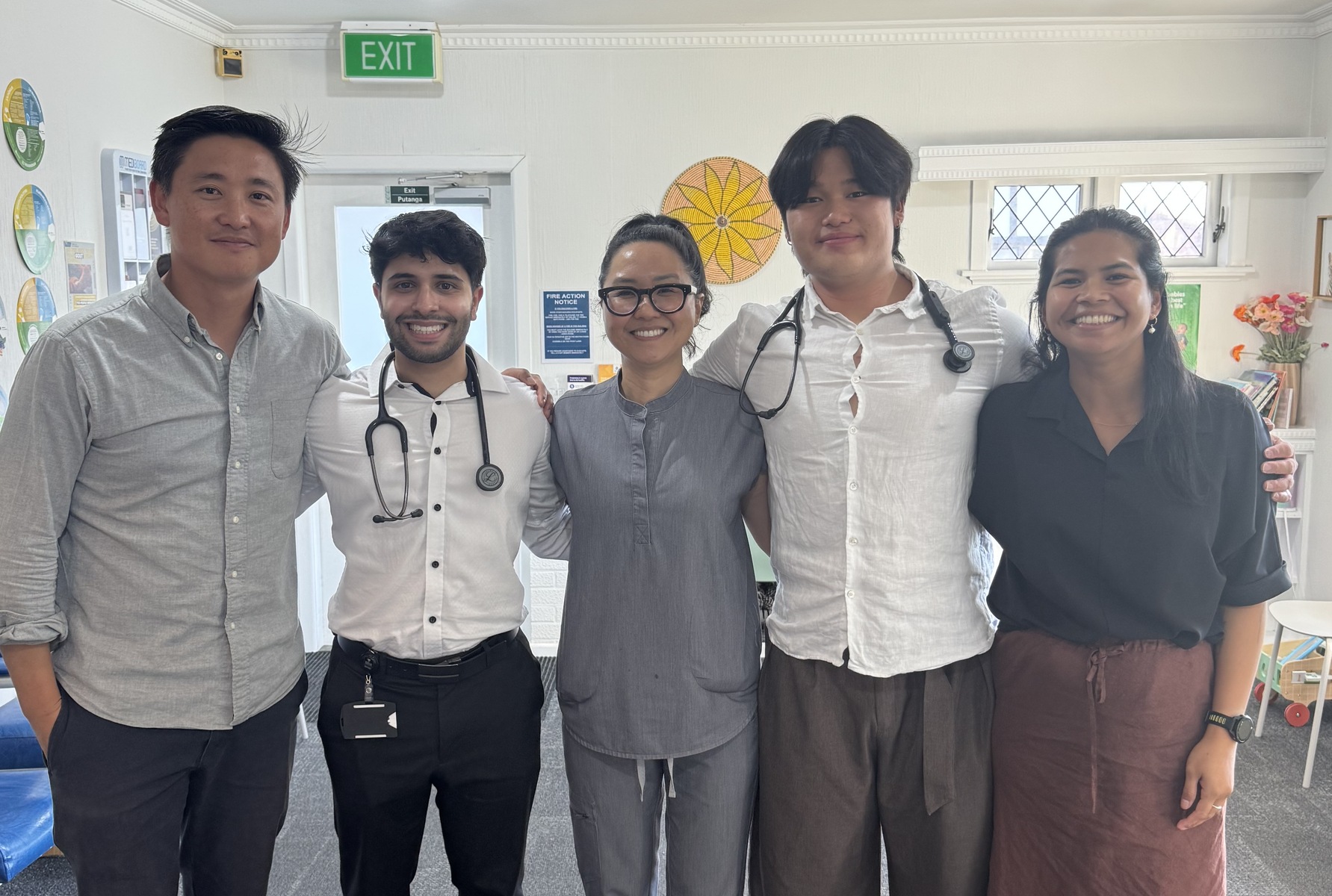


For many of us, looking after our health often takes a back seat to everything else life throws our way. If you're feeling well, it's easy to put off booking an appointment and tell yourself you'll get around to it later.
The reality is that some of the most important health issues develop quietly, without any obvious signs or symptoms. A regular health check creates an opportunity to understand what's happening beneath the surface, giving you the information and support you need to stay well for longer.
At GP and Me, we see health check-ups as a chance to be proactive about your wellbeing, rather than waiting until something feels wrong.
Detect Conditions Early
Some health concerns don't announce themselves straight away. Conditions such as high blood pressure, high cholesterol, and early type 2 diabetes can develop gradually and without obvious symptoms. Regular health checks help identify these issues early, giving you more options and support to protect your long-term health.
Routine blood tests can identify elevated blood sugar or cholesterol that would otherwise go completely unnoticed. A blood pressure check takes less than a minute, yet raised blood pressure significantly increases the risk of heart attack, stroke, and kidney disease.
Skin changes are another area where early detection matters. At GP and Me, skin checks are carried out using dermoscopy, a specialised magnifying tool that allows us to examine moles and skin spots in greater detail and monitor any changes over time.
Keep Your Preventive Screenings on Track
A regular check-up is a practical way to ensure you are not falling behind on the screenings relevant to your age and health history. Many are recommended at specific intervals, and without a scheduled appointment, it is easy to let them slip.
Depending on your age and circumstances, this might include:
- Cervical screening for people aged 25-69 through the National Cervical Screening Programme
- Bowel screening for people aged 56 to 74 through the National Bowel Screening Programme
- Breast screening for those aged 45 to 74 through National Breast Screen Aotearoa
- Skin cancer checks using dermoscopy
- Prostate health discussions for those with relevant symptoms or a family history of prostate cancer
Your GP can confirm which screenings are relevant to you and whether you are up to date.
Support the Management of Ongoing Conditions
If you are living with a long-term condition such as diabetes, high blood pressure, asthma, or thyroid disease, regular check-ups are how your GP keeps your management plan current and working for you.
As your condition evolves, medications may need adjusting, and new risk factors can emerge alongside existing ones. A check-up gives your GP the chance to review how things are tracking, make any necessary changes, and catch complications early before they become harder to manage.
Build a Picture of Your Health Over Time
One set of results tells you where you are today, but what your GP is really looking for is how things are changing over time. A single blood pressure reading gives you a number. A series of readings taken over several years tells you whether that number has been quietly creeping up, holding steady, or responding to treatment. The same applies to blood sugar, cholesterol, and kidney function.
When your GP has access to your history, they are not assessing your results in isolation. They are comparing them to where you were a year ago, two years ago, five years ago. That context changes what the numbers mean, and what needs to happen next.
Give Mental Health a Place in the Conversation
Physical health checks are often easier to prompt than mental health conversations, but a check-up is a legitimate space to raise both. If you have been feeling flat for longer than usual, struggling to sleep, or finding it harder to cope than you normally would, those things are worth bringing up.
You do not need to be in crisis to mention it. Your GP can help work out what is going on and what kind of support might be useful.
Reduce Long-Term Cost and Complexity
Preventive care is almost always simpler and less expensive than treating something that has been left to progress. A blood pressure reading that prompts a lifestyle conversation costs very little. The downstream effects of untreated hypertension, including heart disease, stroke, and kidney damage, cost a great deal more in every sense.
The same logic applies across most conditions. Elevated blood sugar caught before it becomes diabetes, a skin change identified before it requires more complex treatment, a mental health concern addressed before it escalates. Early action consistently leads to better outcomes and less intervention overall.
How Often Should You Have a Check-Up?
Frequency depends on your age, your health history, and whether you are managing any ongoing conditions. As a general guide:
- Adults in good health with no known conditions: every one to two years
- People over 45, or those with a family history of heart disease, diabetes, or cancer: annually or as advised by your GP
- People managing a long-term condition: as often as your GP recommends, typically every three to six months
- Children and young people: in line with Well Child / Tamariki Ora checks and as needed
If you are not sure what is right for your situation, your GP can advise you at your next appointment.
Taking Care of Yourself Starts Here
Regular check-ups are one of the most straightforward things you can do for your long-term health. They keep your screenings on track, give your GP the information they need to spot changes early, and create space for conversations about things you might not otherwise get around to raising.
A check-up appointment is not a judgment on how you have been living. It is simply a conversation with a GP who knows you and is on your side.
If you are overdue or you have never quite got around to booking one, get in touch with us at GP and Me. We will take it from there.